From Karratha to Coral Bay

This was basically a day of travel. It was about 600km to Coral Bay, without any significant towns in between – only a couple of roadhouses. I drove for most of the way today and Michael sat with Hannah and Bethany in the middle row and did some schoolwork with them. It was a good break for me to not be working with them on their schoolwork, and Michael did a good job.

We reached Coral Bay about 5pm and checked in – we were in another good site near the playground and amenities. We had been in contact with some friends of ours from church – David and Janenne Hay. They have also been travelling around Australia at this time. They were ahead of us for the first couple of months, but they have been spending more time than us in areas such as the Kimberley and the Pilbara. So a few days ago we worked out we would probably be at Coral Bay around the same time. So we have booked in to the same caravan park (Bayview Caravan Park). We saw them briefly as we were driving in and arranged to catch up properly after dinner and once the younger girls were in bed. So we set up, had dinner (one of the frozen ones) and settled H &B to bed. David and Janenne came over to our site and we sat outside and chatted for a couple of hours. It was a lovely cool, but not to cold night. We decided we would both be visiting the beach tomorrow so we would get together again for that.

A Day at Dampier and the Burrup Peninsula

Today we went to Dampier and the Burrup Peninsula.

Dampier is only 20 km from Karratha, right on the coast. As the name suggests, it was named after William Dampier who first sighted this region of the Australian coast in 1688. Dampier is a small seaside town. It has a marina which houses all the boats that head towards the islands of the Dampier Archipelago. There are 42 islands in this conglomerate. There is also another iron ore processing plant here, and one on East Intercourse Island, just off Dampier coastline. A stone causeway has been built across to the island. There is also salt pans and a salt processing plant near Dampier. Besides all of that, Dampier is also the home of Red Dog ( as immortalized in the movie) – he is also known as the Pilbara Wanderer. There is a monument at the entrance of the town. We drove around Dampier and got out at the lookout.

The Burrup Peninsula stretches north from Dampier. About halfway up the peninsula is the huge North West Shelf Gas project. This was set up about 40 yrs ago (about the same time as the iron ore mining). At the time, it was one of the biggest resources projects undertaken by the Australian Government. Production from this facility accounts for about 1% of the country’s GDP. We went in to the visitor’s centre which overlooks the facility. It was a very informative visitor’s centre and they had a kid’s quiz for the kids to do ( an older kids one and a younger kids one) with a reward at the end for finishing it. All the kids did one which hopefully helped them understand the information. They found it interesting seeing the pictures and models of the offshore platforms and learning that people live on those for up to 2 weeks at a time. There are currently 3 offshore platforms and the underwater pipe bringing the gas back to shore is 324km long. After the gas is processed and liquified at the plant, it is piped out to the waiting ships and loaded on, or piped to the storage tanks for domestic use.

After the gas plant we drove onto the eastern side of the peninsula to visit deep gorge. This is the site of the most prolific aboriginal rock art in Australia. There are around 40,000 individual rock engravings (petroglyphs) and etchings in the 100m of the gorge. We only saw a few of them because we somehow ended up walking along the wrong track – once we realised this, the kids were too hot and tired to walk the correct track, but we had seen some of the etchings at least.

After this we had planned to drive to Hearsons Cove on the peninsula to have a swim. It was only about 2 km down the road from Deep Gorge. However, once again we were caught out by being there at the wrong time for the tide. It was low tide and the water was quite far out. We checked the map and decided to drive a bit further north up the peninsula to see what the bays up there were like. They wasn’t a sandy beach, but there was an area that had some water without rocks around it. The kids had a bit of a swim here to cool off.

Then we headed back to Karratha to the van park. We had a bit of down time while the younger girls played on the playground next to the van. Then Sam and I went to the shops. Sam needed new runner shoes which we were hoping to buy here. But there wasn’t anything suitable. So then he had to stay with me to help me do the grocery shopping (much to his dislike – but he was good hearted about it). Lauren was cooking dinner tonight all on her own – she did chicken schnitzel burgers and did a great job. I was really tired tonight, so asked to go to bed straight after dinner – this helped a lot.

Port to Port Tour

We had booked in for the this 4 hr tour which started at Roebourne visitors centre at 9.15. So we left the Karratha van park at 8.30. We found it an enjoyable tour with a very informative tour guide named Nigel. He was a real bushman, and was not always politically correct (for example when it came to aboriginal land rights etc), but we got a good feel for the history of the region, insights into the mining culture of the region, and insights into current social issues in the region. Some of the things we learnt are:

– Roebourne is 90percent aboriginal population. It has a reputation for having a lot of social problems related to drunk and disorderly behaviour, such as graffiti and damage to buildings. Many of the buildings in the town that the tour guide pointed out have been shut down due to continually being broken into, or have bars on the windows and doors.
– After years of having very little new residential buildings (or public buildings), the government lately has been putting money into growing and upgrading things. We saw evidence of this.
– The land around that region has become very expensive due to the government being so slow to release new land. So people selling their private land just near the edge of town are getting a million dollars or more for it.
– Rio Tinto (which runs the mining facilities around there) set up ‘camps’ for the ‘fly-in, fly-out’ employees (called FI-FOs by the locals and not particularly liked by them) which includes their accomodation, mess halls for meals and recreation facilities.
– Rio Tinto also subsidises new residential areas in the region to cope with the increasing demand for a greater number of workers.
– There are 3 main iron ore processing plants in the region – the largest at Cape Lambert, which we visited. Rio Tinto owns 11 mines in the Pilbara Region which send ore to the processing plants on the coast. They produce 220 million tonnes of iron ore per annum (and once their current expansion program is complete, it will increase to upwards of 350 million). 25percent of all seabound iron ore is from Rio Tinto.
– They have their own private railway system in the region to transport from the mines to the coast and out to the ships. Most of the trains are up to 234 carriages long, and each carriage carries about 100 tonnes of iron ore.
– At the processing plant, we watched how the carriages rotate completely to dump the contents where they need to go and we saw the conveyor belts moving the ore along. Every bit of machinery seems completely covered in red-brown ( from the dirt). Apparently in summer, a lot of sprinklers are used to spray water over the huge piles of crushed ore – to keep down the dust.
– The jetty at Cape Lambert is the 2nd longest in the Australia (after the one at Lucinda which we already saw on this trip). It is long enough to go out to the deep water so the overseas ships can come alongside to be filled. Each ship has a 250 000 tonne capacity (can take about 220 000 tonnes of ore). The process can load 1000 tonnes per hour, so it takes about 22 hrs to load a ship. The jetty can load 2 ships at a time and have 2 more ships waiting at dock ready to be loaded straight after the previous one has finished. We still saw 3 or 4 ships waiting out at sea. Apparently if the ships have to wait too long out at sea, they can start charging Rio Tinto by the hour. They can also do this if it takes too long at the dock – so obviously the company tries to ensure processes run as smoothly as possible.
– Part of the expansion process is building a second jetty. This has been underway for about 2 yrs now and we saw it looked about halfway finished still. It will be. Able to load the same capacity.

It was very interesting learning all about this part of Australia’s iron ore industry.

The tour then took us back to Cossack which was actually the site of the first port in this region, back in 186?. Cossack was also the original site of the pearl diving industry, along with Eighty Mile Beach, before it started in Broome. It was the largest port between Darwin and Perth in its heyday. There was also a short mining boom in the area. (It was actually the site where the biggest nugget of alluvial gold was found in Australia). However, it was only a significant sized town for 40 yrs. Repetitive silting up of the inlet meant the port was eventually moved to Point Samson. When the gold ran out too, the town quickly declined. It is now a ghost town and only has a cafe, museum and accomodation in the old stone buildings. Only the caretaker and his wife actually live there. Interestingly though, Cossack is the location for one of the nation’s best known regional art competitions – regional artists from all over the country ( and the world) send their art here for the competition in August – and thousands of visitors come to the area. I’m glad it wasn’t that busy when we were there. We had lunch at the cafe at Cossack ( we had had to put our orders in that morning). It was nice to have a change from taking our own lunch. We had an hour all up to have lunch and look around at the old buildings there – a jail, a courthouse amongst others.

Then the bus drove us to the lookout above Settler’s Beach. We had a good view of the area all around and saw some whales breaching way out to sea.

Then it was back to Roebourne and back to the visitor’s centre. They had free tea and coffee there so we had a cuppa and a bit more of a look around the centre.

Then we drove the half hour back to Karratha, stopping at the shops before we got back to the van park for a box of icecreams from Woolies. We had a nice treat, then the kids had a swim back at the van park, then it was time for the usual shower, dinner and bed routine, discussing plans for the next day over dinner.

Roebourne/Cossack/Point Samson/Karratha

We had planned to stay in this area for a couple of days, and initially planned to stay at the same caravan park for this time. But because we had found the Harding River Caravan Park quite run down and a bit smelly, we thought we would move to a different one – weren’t sure which one yet. So it was another packup this morning. We left the van park about 9.30. We drove to the Roebourne Visitors Centre where I went in to get some information and book in for a tour the next day which I had heard about. This whole area of Roebourne, Cossack and Point Samson were the earliest settled areas of the NW of WA. There was a lot of interesting history here, as well as the modern changes from the Rio Tinto iron ore industry which had commenced at the Pilbara in the 1970s.

We then drove the 19km out to the coast to a little town called Point Samson. It was the youngest of all 3 towns there. It had a little cove called Honeymoon Cove which we had read was very pretty. We stopped to look at the town beach first and had a walk out along the mudflats as it was low tide. We then drove to Honeymoon Cove and changed into our swimmers to swim there. But when we actually walked down there we noticed there were some rocks in the middle of the bay and it would have been a bit dangerous. We wondered why it was said to be such a nice swimming beach. (Later in the day we realised it was probably because we were there at low tide). We were all a bit disappointed and decided we should look somewhere else for another swimming beach.

We looked at the map of the region and decided we should try the beach near Cossack – called Settlers Beach. We headed back that way. We passed by Wickham on the way to Cossack, and they had put monuments of a big dump truck and a railway engine at the entrance to that little town. We stopped and took photos and read the information. Then we continued on to Cossack and Settlers Beach. We found Settlers Beach to be a lovely swimming beach. All of us (even Michael) ended up swimming there. It was a lovely temperature.

We then had some lunch and started driving towards Karratha, where we had decided to stay at the Big 4 caravan park. It was only a half hour drive to Karratha. We found the park and set up. We were able to choose a site right next to the playground and near the amenities, so that was good. There was a pool there also, so the kids went for a swim that afternoon. Then it was an earlier night for everyone tonight.

To Point Hedland and Point Samson

It was Michael’s birthday today. So we let him have a sleep in while myself, Sam, Hannah and Bethany finished off the birthday card making, had breakfast and then went for an early morning walk down to the beach. It was a much lower tide than the previous evening. Eighty Mile Beach is a shell collector’s paradise – there are many pretty and unusual shells. We spent about half an hour looking at the shells and choosing some to take back. Dad and Lauren were awake when we got back and had just finished breakfast and showers. So we gave Dad his cards and presents for his birthday. Then we packed up the van, but didn’t hook up the car yet. We were going to have one more drive along the beach before we left. We had told the kids they could take turns driving the car along the beach. They were looking forward to this. There weren’t many people around, so it was a good opportunity. Lauren went first and didn’t have to move the seat too much ( she has long legs now). Then Michael had Bethany then Hannah on his lap. Then Sam drove on his own, although had to move the seat forward quite a bit. They enjoyed this little ‘treat’. Then we went back to the van, hooked it up and headed off.

We drove the 240km to Port Hedland in the morning. It was a pleasant drive. The landscape was mostly low-lying grassland and scrub, with the occasional hill or rocky outcrop. We saw signs of the mining in the area – large road trains, a railway line running beside the road for some way and then heading out to the coast toward Port Hedland. We even saw some unexpected signs like termite mounds with mining hard hats on them! (the Pilbara sense of humour). As we came closer to Port Hedland, we could see the build up of industry. This really is an industrial town. It has the largest tonnage port in Australia, loading the iron ore from the Pilbara area mines onto ships for export. The ships can carry up to 250,000 tonnes. As well as the BHP Billiton iron ore processing plant, there are some salt pans at Port Hedland. We drove to a viewing area of the port and parked near a playground area to have lunch. We watched a huge ship glide out from the port. Just south of Port Hedland itself is the satellite city of South Hedland, a large residential area built to house the spillover of workers. We needed to drive in there to go to the shops.

Then it was on the road again driving towards Roebourne, another 220km away. We wanted to get to this spot tonight as there were a few things to do around here and we could stay put for 2 or 3 nights. The stopover at Port Hedland had taken a bit longer than we would have liked, so we were a bit later than we would have liked getting in to Roebourne – almost 6pm. Because it was Michael’s birthday, we had planned to do a special dinner with dessert. So we set up as quickly as possible and I got the kids involved in helping me to start dinner. We were going to do lamb chops on the BBQ and have vegies including corn on the cob. Sam cooked the chops on the van park BBQ. We had dinner ready by 7pm and enjoyed it. Then I took the younger girls for a shower while the others washed up the dishes. Then we brought out the dessert – a special pavlova for Dad’s birthday which we had secretly bought at South Hedland. We all enjoyed that.

Into the Pilbara – Eighty Mile Beach

We left Broome at about 11am after a slower pack up and then stopping off for a couple of errands in town. We made our way back on to the Great Northern Hwy and commenced the 360km drive towards Eighty Mile Beach, where we were going to stay that night. The kids did a bit of schoolwork to start with and then we listened to the last few chapters of ‘We of the Never, Never’. Michael and I both really enjoyed listening to the book – neither of us had read it before. Lauren and Sam and sometimes Hannah enjoyed listening to portions of it, but not too much in one hit. Apart from stopping at a rest area for lunch, most of the middle of the day and afternoon were spent driving. We finally reached the turnoff for Eighty Mile Beach Caravan Park just before 4pm and drove the 3km along the dirt road towards the coast. It was still red dirt. The van park was located just behind the dune separating the beach from the scrub bush behind it. We booked in and set up. It was then about 4.30. I suggested I cook dinner early (pasta carbonara) and then we take it in the car with drinks etc and have a picnic on the beach as the sun sets (sunset is around 5.45). We did this and it was great. Eighty Mile Beach is (as its name suggests) a very long stretch of white sand and one of the beaches you are allowed to drive on. So we drove along for a few minutes and arrived at a spot where e could see no-one else around. We stopped and enjoyed the sunset and the kids had some fun running and jumping down from the sand dune behind us. We had our yummy picnic on the beach and then, once it was getting fairly dark, drove back to the van. The usual night time routine.

3 Days in Broome

We had a lovely time in Broome, and all decided it was a place we liked. A couple of things that may have contributed to this were:
– we had just spent a couple of months inland in very hot and dry areas with no sea breeze. We enjoyed seeing the ocean again and feeling the sea breeze.
– the pool at the caravan park was awesome and we were very close to it, so it was easy to spend a lot of time relaxing there, and not feeling hot and bothered like we had at a few places in the Kimberley.
– it was a small enough town to be able to get around easily, but also big enough to have some nice shops to browse in at the Chinatown area. Lauren and I enjoyed doing some browsing at the shops, which we hadn’t done in a while.

We got the kids back on track with some schoolwork while we were in Broome. We spent an hour or 2 each morning on schoolwork before we went to the pool. We had needed somewhere like this to get refocussed on what was needed in the area of schoolwork, and to have a plan for what each child needed to have achieved by the end of the trip.

Bethany really improved in her swimming during this time. Between all the swimming at the Kununurra van park pool, the swimming in the Pentecost River at El Questro, the waterholes we visited, and then at Broome, she was becoming a lot more confident. She didn’t want to use her floatation vest anymore. So we kept a closer eye on her, but she was starting to manage well without it. (She was also exhausted each night after all the swimming and probably had more naps during the day at Broome than any other time.

Besides swimming in the pool at the van park, some other things we did at Broome included:
– walking along Cable Beach at sunset on the second night. We had fun taking some photos of the sunset and then of each other’s silhouettes as the light faded. The kids did the YMCA silhouette shapes like in ‘Are We There Yet?’.
– Michael, Sam, Hannah and Bethany doing the Pearl Luggers Tour on the second full day. They learnt about how Broome was founded by the early pearl divers, how dangerous it was back then, and about pearls and pearl shells. They all seemed to enjoy it and find it interesting.
– Lauren and I did some shopping at this time. We visited some second hand book shops in search of some good books (I found a couple for Sam at St Vinnies op shop, but Lauren didn’t find any books – she got some clothes though). I also browsed through a giftwares and home decor shop, which I always enjoy. Lauren and I finished up with a mango smoothie at a cafe – yum.
– we all went on a camel ride on Cable Beach in the afternoon of the second full day there. It was a half hour ride. The most fun part was getting on the camel and leaning back as he stood up. There were 2 people to a camel, and the camel train was about 16 camels long. Michael and Bethany rode on ‘Cloud’, Lauren and Sam rode on ‘Alice’ and Hannah and I rode on ‘Jabby’. It was a fun experience.
– the kids and I swam at Cable Beach on the last day. It was a lovely temperature. Unfortunately after about 15mins we noticed a couple of jellyfish (not sure how dangerous) so we decided to get out.
– the morning of our third day there, we got up early (for some) and headed down to Gauthaume Point by 7.30 which was low tide so we could try to find the dinosaur footprints on the rocks at the point. There weren’t the usual tourist signs so it was hard to find them, but some other tourists were able to point us in the right direction and we found some.

So that was our 3 days/ 4 nights in Broome. That was also the end of our time in the Kimberley region. We were about to venture into the Pilbara region next, which includes Eighty Mile Beach, Port Hedland and Karratha on the coast, and the mining areas of Newman and Tom Price inland. Michael and I and the older 2 kids discussed whether we wanted to venture inland to the mining areas or just stick to the coast. I have to admit that we have lost a bit of the initial enthusiasm for exploring too far off the beaten track, and we are happy now to take the easy route and enjoy more rest time, even if it means less sight-seeing. So we agreed that, even though it would be interesting to see the mining in the west, we had done some mine tours in Mt Isa and so would be content to just stick to the coast in the Pilbara region.
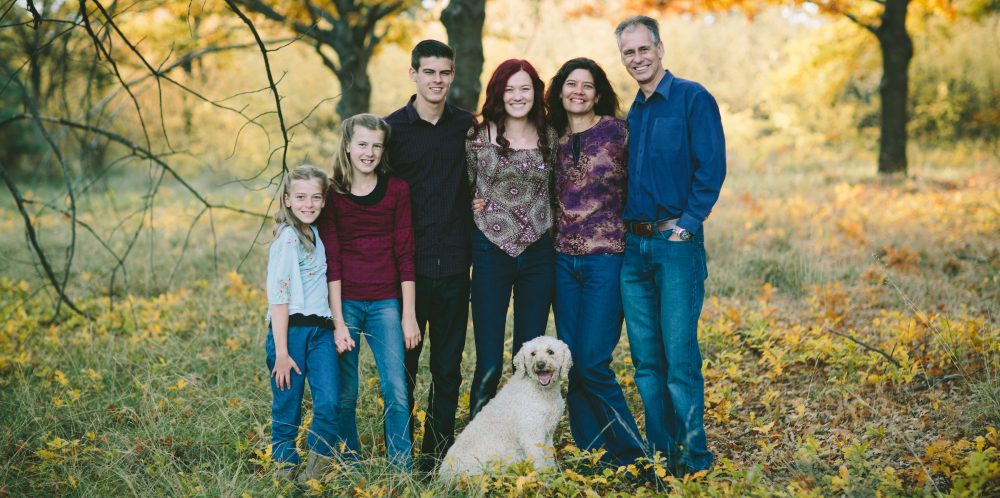
Travel to Broome

The next morning the kids were keen to do some more bike riding into town (except Lauren who was enjoying a sleep in). So at about 7.30, myself, Sam, Hannah and Bethany donned our bike helmets and backpacks and, with map and shopping list in pocket, we rode off towards Woolworths to do some grocery shopping. It was about a 20min ride, but all flat (and not too hot that early in the morning). We bought the groceries and loaded them into the backpacks and headed back to the van (with a stop at the playground halfway home). It felt good to get some exercise. We then packed up the van and set off.

Before leaving Derby, we drove back down to the jetty so we could see low tide (just after 10am). There was a huge difference from high tide. The water’s edge was all the way out under the far end of the jetty. There were hardly any people there at this time of day. After the jetty, our next stop was just a few kms south of Derby at the prison Boab tree – a Boab with a girth of 15m wide which was used as an overnight ‘cell’ for aboriginal prisoners in the past. In the same location was Myall’s Bore – a 120m long cattle trough (the longest castle trough in the southern hemisphere).

We then had a 2 and a half hour drive SW along the Great Northern Hwy to Broome. We checked into Cable Beach Caravan Park at about 3pm and were set up quickly. We then went to check out the pool. It was devine! One of the nicest pools we’ve come across at a caravan park. It was a lovely temperature, saltwater, a big size and nice design. There were plenty of sun loungers all around the pool. Even Michael got in the water this time, which is very rare.

That night we went to see the ‘Staircase to the Moon’, a natural phenomenon caused by the full moon’s reflection on the mud flats. It only occurs 2 or 3 nights of the month between March and October. We were lucky to be able to time it to be in Broome on the final night of the 3 nights in September when it would occur. It can be seen at a few places along the NW coast of Western Australia, but it is most well known Roebuck Bay in Broome. The moon rising was scheduled to be at 8.05 that night, so it was going to be a lateish night for Bethany. We left the van park around 6pm to go and buy fish and chips from a shop in town. We then took it to the Apex Park at Roebourne Bay and sat on a blanket near the beach to eat it. We still had a while to wait, so we played some games like ‘chinese whispers’ and did a massage train like they had done in ‘Are We There Yet?’. Eventually it got to 8.05pm and we saw something – but it took a bit longer for the moon to show through – we realised later that this was because there had been a bush fire nearby that day and the smoke was still hanging around. So the ‘staircase’ effect wasn’t as good as usual, but it was still good to see a partial staircase. Bethany fell asleep on the way home and we all went to sleep soon afterwards.

A Day Trip to Windjana Gorge and Tunnel Gorge

It was about 130km east along the Gibb River Rd to Windjana Gorge. It was then a further 30 km to Tunnel Creek. We decided we should be able to do this in a day trip. It would save us taking the caravan over a corrugated road and it would also save a packup ands setup.

We left the van park around 8am and commenced the drive. Lauren had planned for us to do some travel games in the car today. So we did some games like ‘celebrity head’, ‘alphabet sayings’, and the familiar ‘I spy’. It was a fun change from the audio books or other things. We arrived at the carpark for Windjana Gorge in what seemed like a short while.

We checked the information board for the walks. The main walk along the gorge was 6km return but since it was so hot again today, and we were all feeling tired from the heat, we decided we would just walk as far as we wanted to and then turn back. The first part of the walk was fairly shaded with lots of trees along the bank of the river. We had read that we should see lots of freshwater crocs here and it didn’t take long to see them – some in the water and some on the banks. They are not aggressive so long as they are not provoked, so we felt pretty safe walking within a couple of metres of them on the bank. The other animal we had read we would see is the archer fish in the water – a striped fish. Once again, we didn’t have to go far to see these – many groups of them swimming close in to the bank. We ended up only walking about 200m to a section where the track started to be more out in the open (and in the heat), before deciding to turn back. We had seen the crocs and the fish and the river winding through the gorge, and we were happy with that. We headed back to the car.

We drove the short distance further along to Tunnel Creek. This was somewhere Sam in particular was looking forward to visiting. We had been re-reading the book ‘Are We There Yet?’ and the family in that book had visited Tunnel Creek – where you waded through water in a subterranean tunnel – and Sam liked the sound of this. I wasn’t so sure (never liked the idea of wading through water you can’t see through). But I would see how my courage held up once we got there. We had read to be prepared with torches and shoes that can get wet (and possibly a change of clothes). The children all had their head torches which they had received last Christmas for presents. Michael and I shared a hand held torch. We all had reef shoes or thongs. It wasn’t far from the carpark to the tunnel entrance – and it was so much cooler in he tunnel! There was still a fair bit of water in the tunnel, even though it was late in the dry season. However it only went to knee height not waist height (for adults anyway). So my courage held up and I was OK to walk through the water along the tunnel – especially since there were islands of dry ground interspersed in the water. I did hold on tightly to Michael though. The kids were fine – no worries there. In the darkest parts of the tunnel we definitely needed the torches. Halfway along, there was a natural roof collapse in the tunnel and so it became light again. At this point we both saw and heard the bats on the roof and had quite a display of a ‘free flight bat show’ as Sam said. We enjoyed watching this for a while, as well as taking note of the stalactites on the roof. We retraced our steps back to the beginning of the tunnel and out again into the heat. We put the car air-con on full blast and had our lunch. Then we headed back towards Derby.

We played some more travel games on the way home. We got back mid-afternoon and let the kids watch a movie while Michael and I had some down time. Then Hannah and I took a bike ride to the town centre to the Chinese restaurant and ordered some takeaway for dinner. It was Father’s Day and I’d decided we would do chinese takeaway for dinner. It was a very nice change.

Halls Creek, Fitzroy Crossing and on to Derby

The next 2 days we spent travelling west across the Great Northern Hwy towards Derby on the west Kimberley coast. The first day we travelled through Halls Creek and stopped for the night at Fitzroy Crossing. These were the only 2 other towns along this stretch of highway.

Halls Creek was established as a gold mining town in the late 1800s. The gold rush only lasted 3 or 4 yrs there, then it became basically a ghost town. It re-established eventually as a service town to the surrounding pastoral holdings. There were a couple of points of interest to see there. One was a statue of Russian Jack outside the shire hall. This statue is dedicated to a gold miner who pushed an injured miner mate over 300km in a wheelbarrow to get help – it serves as a memorial to the comraderie and loyalty of these bush pioneers. The other attraction we visited was called ‘China Wall’ and was just 6km out of town. It is a section of quartz reef that is on a fault line and had been ‘pushed’ up out of the ground below. It looked like manmade white bricks making a section of wall, but it is just the limestone quartz with marks on it. We had a chance then to teach the younger girls about the Great Wall of China. We also stopped in the town centre of Halls Creek to pick up just a few groceries and visited a camping and electrical store to buy a new caravan electrical cord.

It was then another 2 hrs to Fitzroy Crossing which we reached by 4pm. The mighty Fitzroy River is large enough that it still had plenty of water in it, even this late in the dry season. We stayed at a very nice caravan park called Fitzroy River Lodge. It had very lush green grass – obviously water is not too much of an issue there. They had a nice swimming pool which the kids swam at just before dinner.

The next day, we drove the 200 or so km to Derby, arriving soon after lunch. We checked into the Kimberley Entrance Caravan Park, set up and had some down time for a while. At around 3pm, we drove down to the port and the circular jetty to view the high tide. Derby is said to have the biggest tide variations in Australia, with a difference of up to 11m between high and low tide. There were quite a few people fishing off the jetty at low tide. Apparently the best time to fish off the jetty was an hour before high tide (incoming tide) and an hour after high tide (outgoing tide). We took a walk around the circular jetty and saw different fisherpeople with their catches. One friendly couple saw the kids and asked if they would like to pull up the crab pots that they’d lowered down earlier. Sam was glad to oblige. There was nothing in it, but the man showed us a good sized crab he had caught on the incoming tide. There was definitely no swimming off the shores of Derby due to the presence of saltwater crocs. We then drove to the public swimming pool the van park owner had told us about ( no pool at the van park) and the kids enjoyed a swim. It was a very nice swimming pool, with a water play area for youngsters as well as a 25m pool and toddler pool. They swam for about an hour and then we headed back to the van for dinner. We made plans for the next day – doing a day trip to Windjana Gorge and Tunnel Creek.